
Which treatments are right for you is something we decide together with you after taking your medical history and examining you. Tap a treatment to find out more.
Treatments designed to stimulate the body’s own healing processes and the regulation of inflammation.
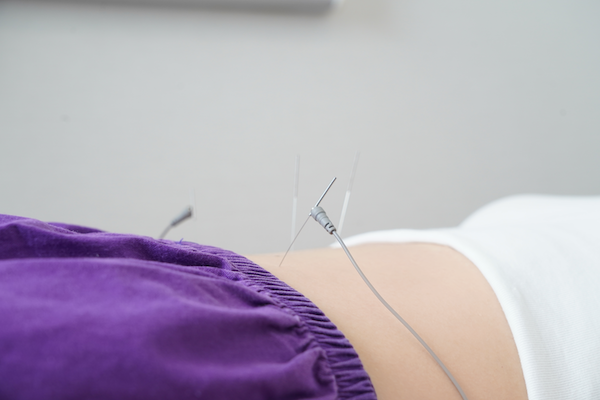
Fine probes, similar to acupuncture needles, deliver weak electrical impulses directly into painful or injured tissue. They are designed to mimic the body’s own bioelectrical control mechanisms, regulate inflammation and stimulate cell migration for healing. Clinical experience shows good response rates for tendon, ligament and muscle complaints. In osteoarthritis and back pain, treatment can also help to relieve pain and reduce inflammation.
Examples:
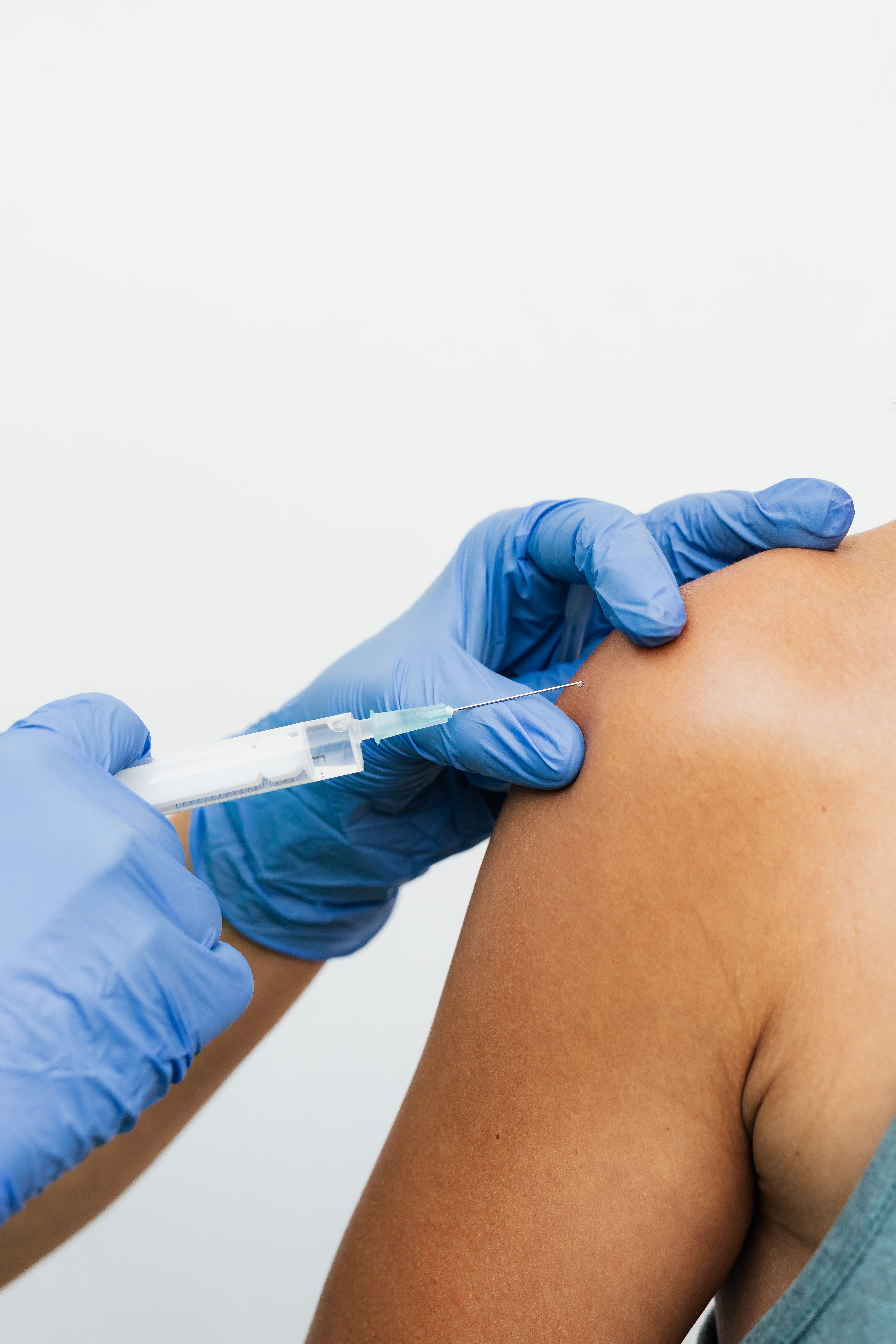
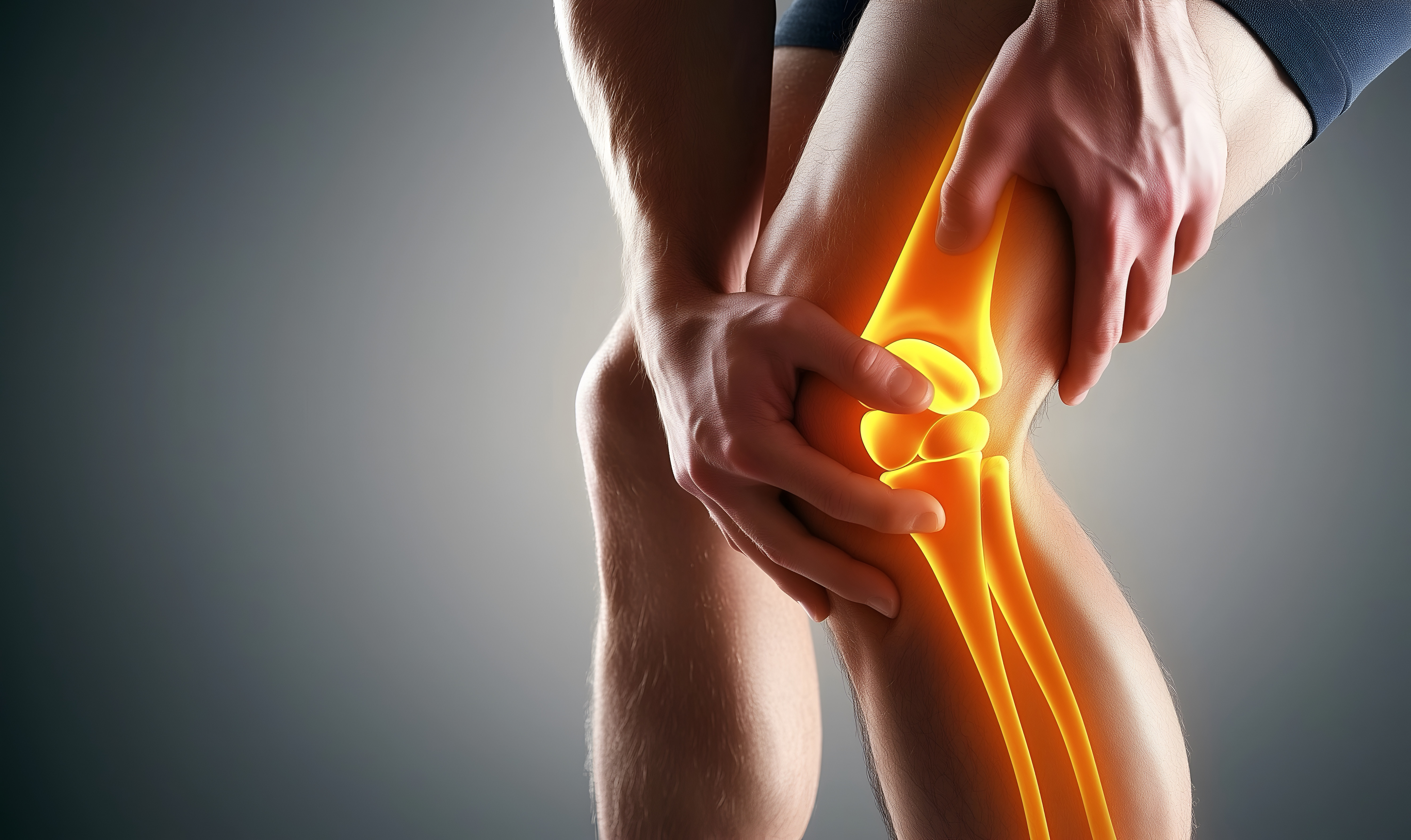
Hyaluronic acid is a natural component of joint cartilage and synovial fluid, where it acts as a shock absorber and helps the joint glide smoothly. Overuse, injury or ageing can cause this layer to thin, which leads to pain. While an injection cannot rebuild cartilage, it has been shown to slow down wear and can delay surgery. In our experience, most patients – especially in the early stages – notice a clear benefit from the improved gliding.
Examples:
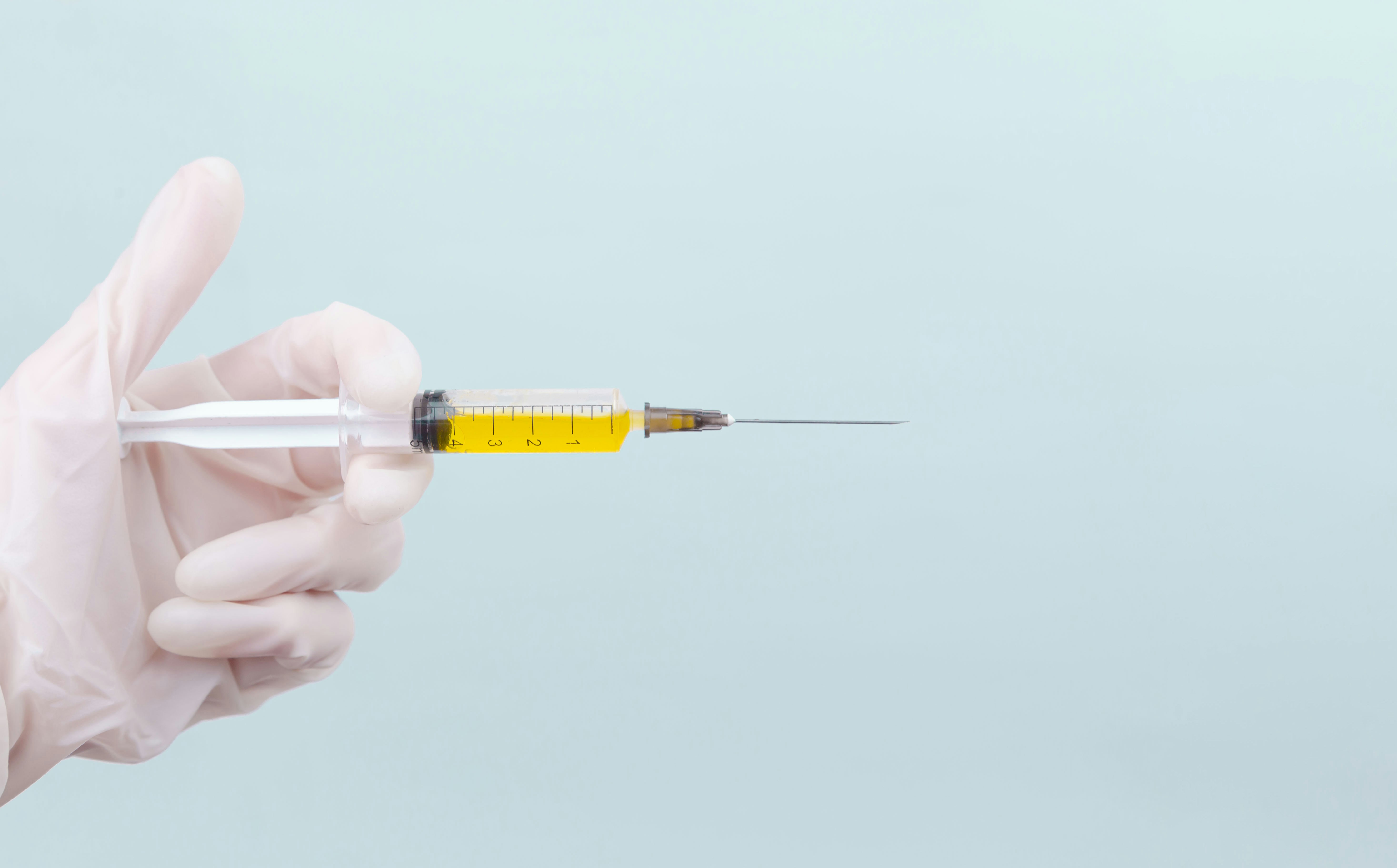
The treatment takes place in two steps. First, anti-inflammatory messenger substances and growth factors from a sample of your own blood are cultivated over a certain period of time. The next day, the resulting cell-free serum is injected into the joint or the inflamed tissue, where it inhibits the inflammatory process while the growth factors stimulate regeneration.
Examples:
Treatments using energy, fields or impulses applied from outside the body, with no or only minimal intervention.
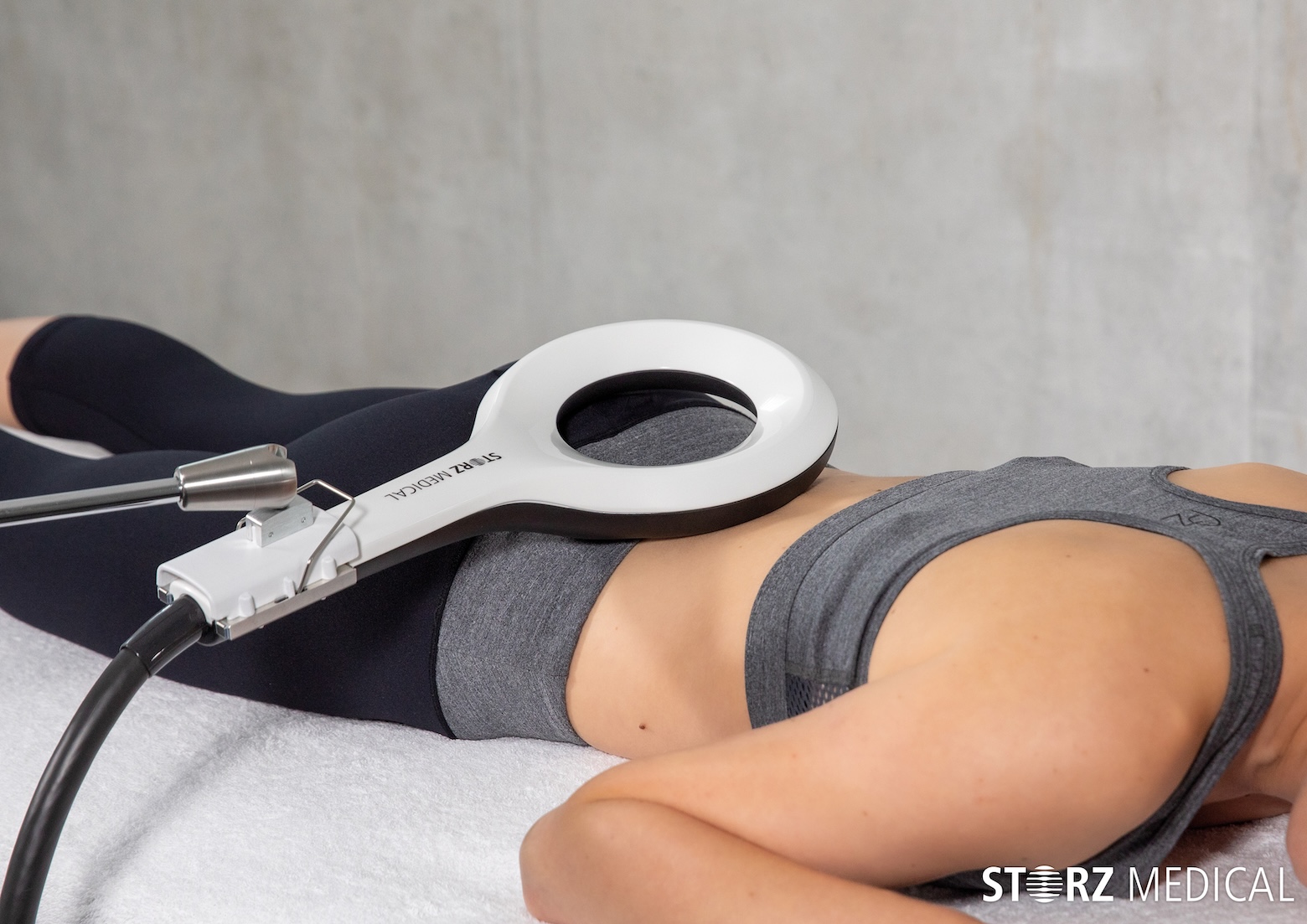
High-energy induction therapy (HEIT) uses strong, pulsed magnetic fields that penetrate deep into the tissue without any contact. There, these fields generate tiny electrical currents that activate cell metabolism and the membrane charge of the body’s cells. This biological impulse blocks the transmission of pain signals in the nervous system while strongly boosting blood circulation. The result is deep muscle relaxation, noticeable pain relief and a much faster healing process of muscles, tendons and joints – right at the cellular level.
Examples:
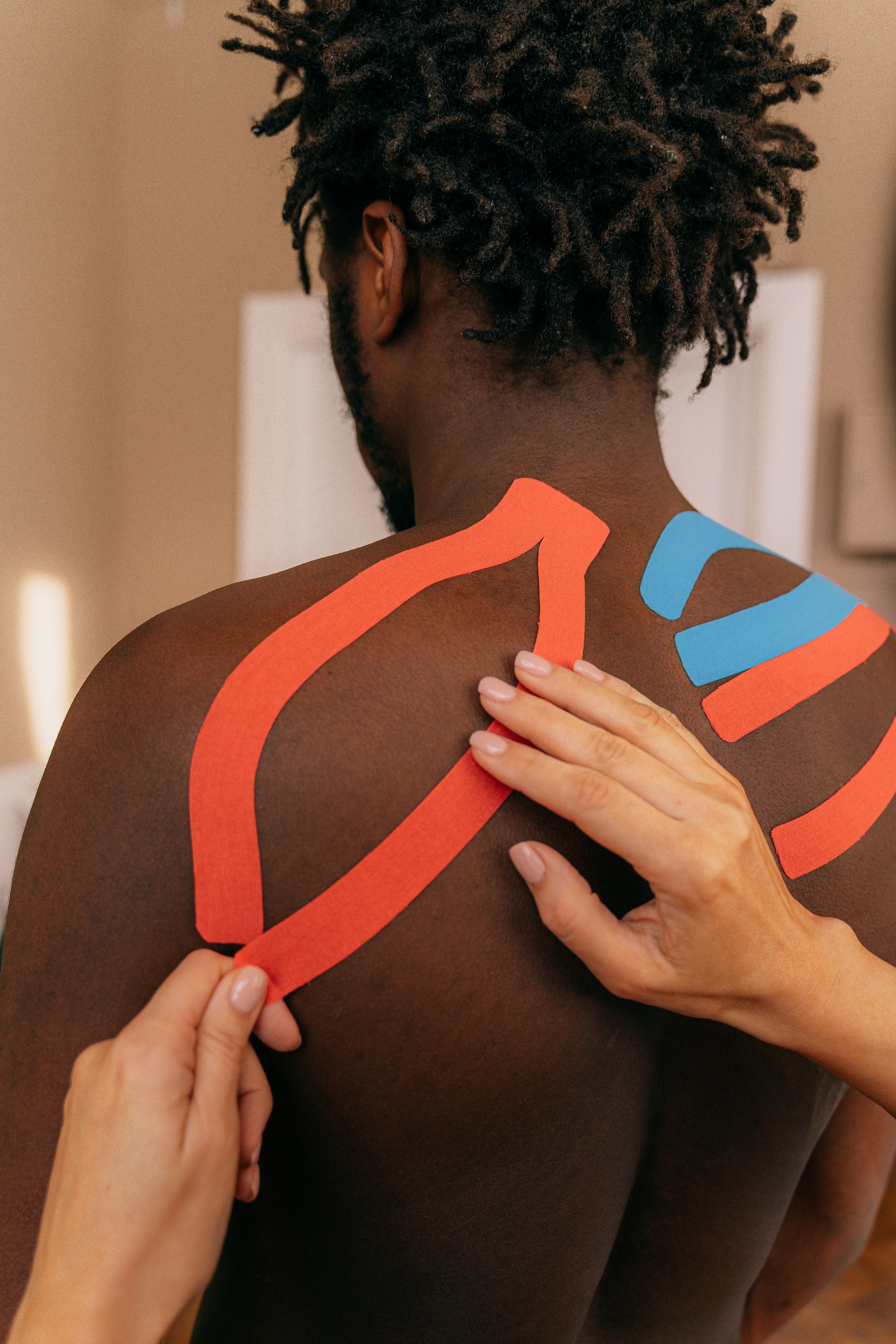
Kinesio taping is a gentle, elastic treatment method that uses your natural movements to relieve pain and promote healing. Thanks to a special application technique, the elastic tape slightly lifts the top layer of skin with every movement. This relieving effect creates more space in the tissue underneath, which immediately takes pressure off pain receptors and allows swelling and bruising to drain faster via the lymphatic system. At the same time, the continuous skin contact improves your body awareness, which subconsciously stabilises the joints and – depending on the direction of application – relaxes tense muscles or noticeably supports weakened ones.
Examples:
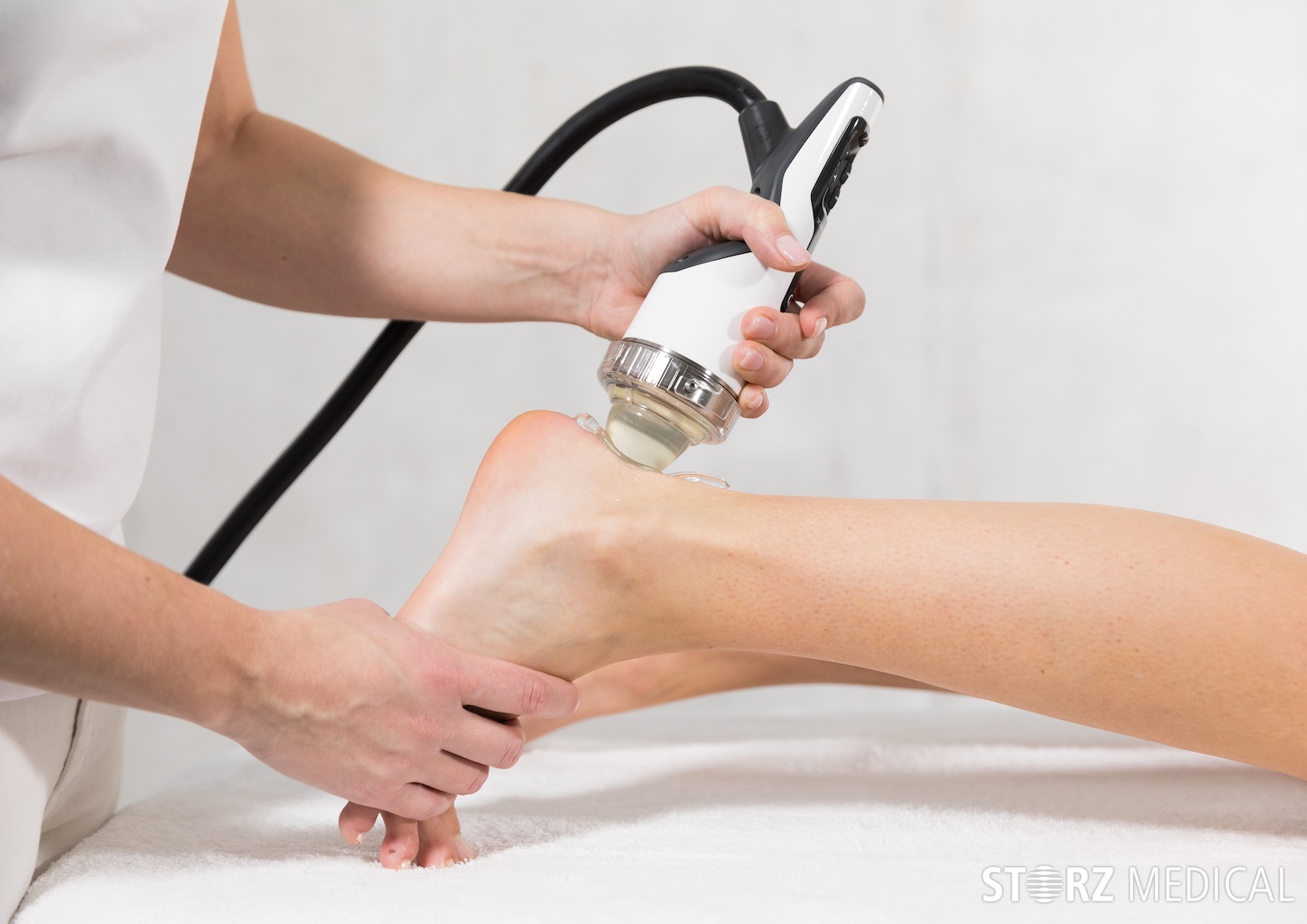
Shockwave therapy is a highly effective method that uses high-energy sound waves to stimulate biological healing processes in chronically painful tissue. The precise sound impulses penetrate deep into the body and overstimulate the local nerve fibres there, which blocks the transmission of pain signals to the brain and relieves pain quickly. At the same time, the mechanical energy releases growth factors that lead to the formation of tiny new blood vessels and strongly boost blood circulation and cell metabolism. This targeted healing impulse accelerates the regeneration of muscles and tendons in the long term, while stubborn calcium deposits – as in calcific shoulder – are loosened so that the body can break them down by itself.
Examples:
Treatment with the hands and with needles, complementing evidence-based diagnostics.
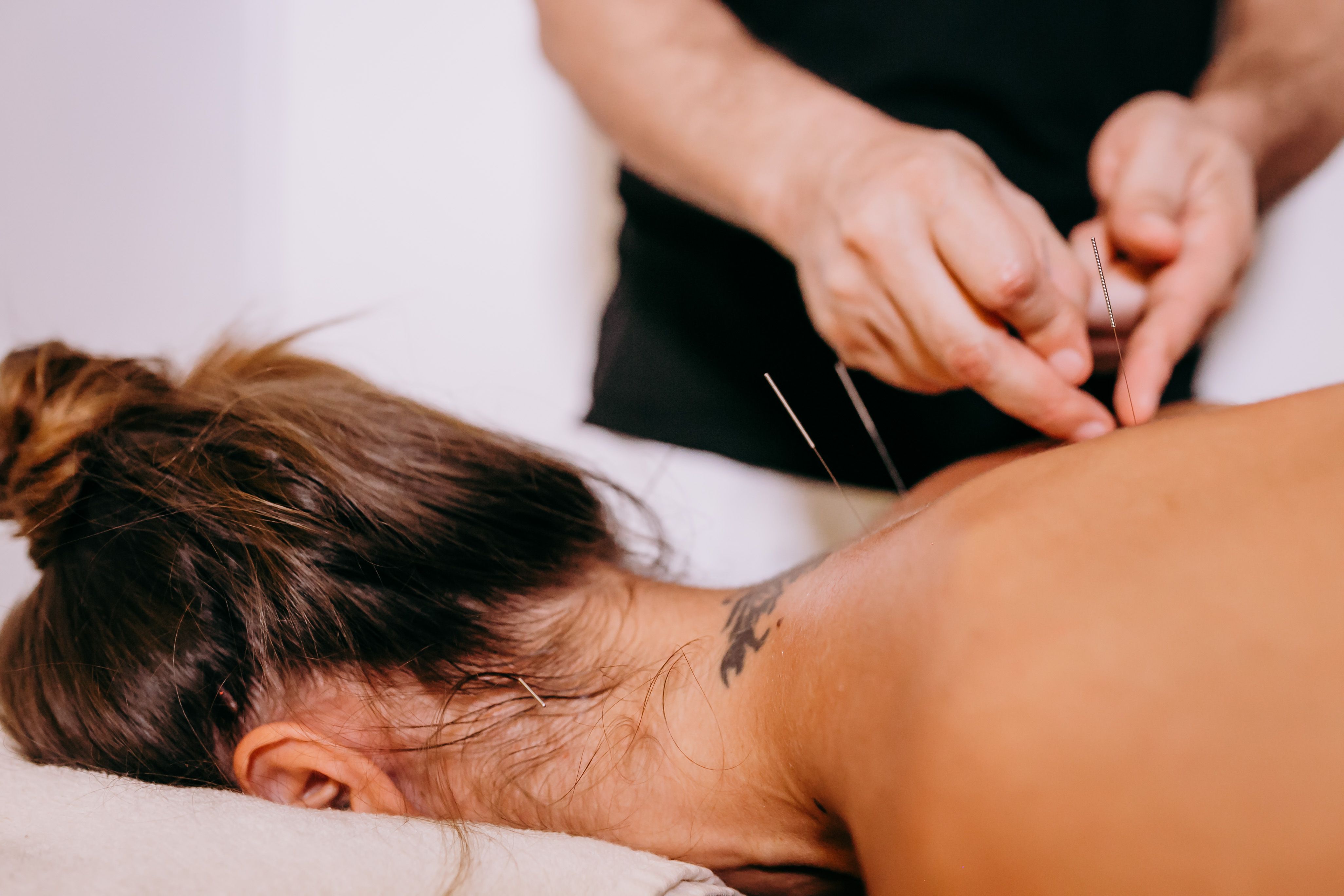
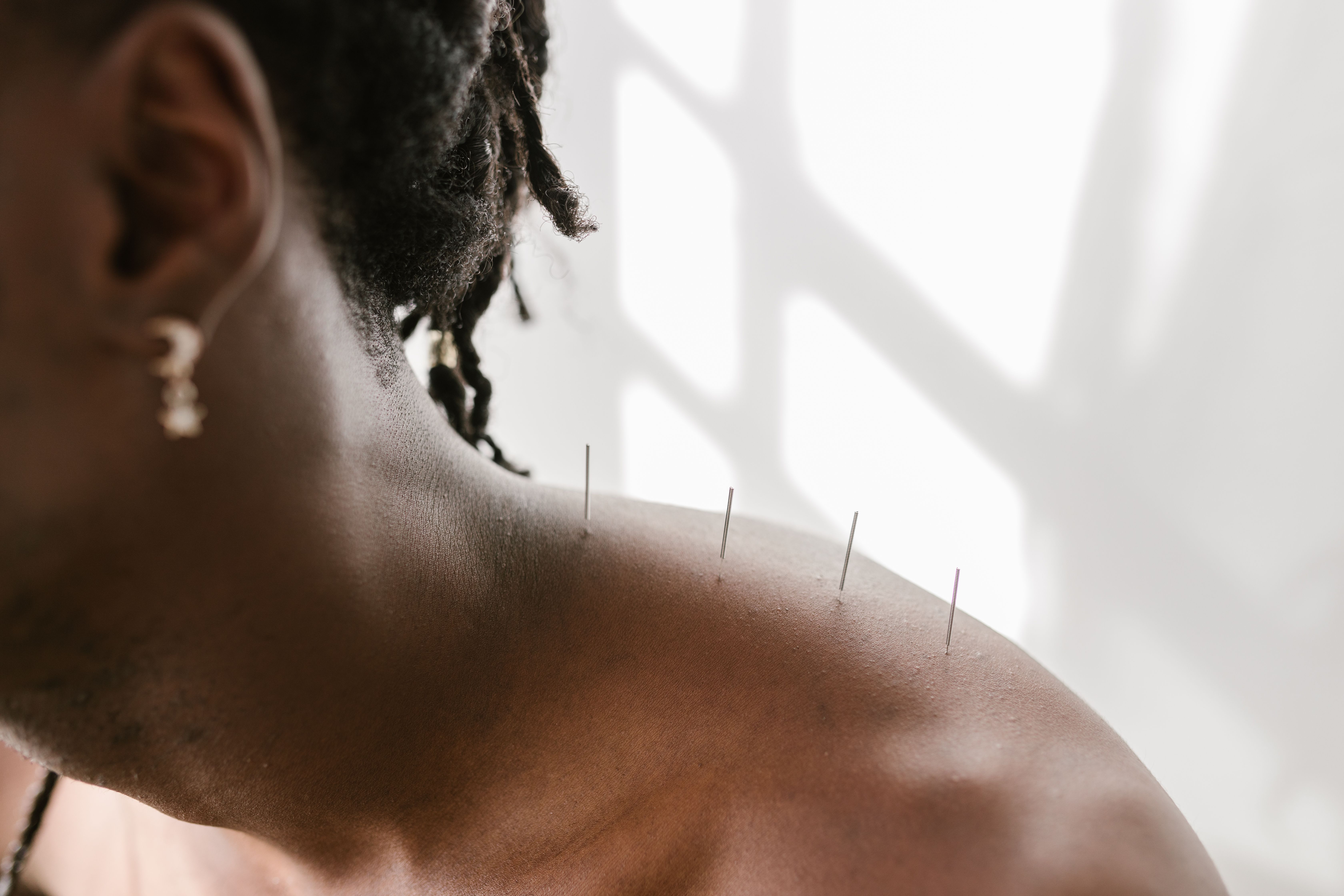
Acupuncture has been practised as a healing method in China for an estimated 3,000 years or more. It is part of Traditional Chinese Medicine (TCM). From a TCM perspective, it regulates the flow of energy; from a scientific perspective, it activates the body’s own pain-inhibiting systems and modulates inflammatory processes.
Orthopaedic complaints include, for example:
Non-orthopaedic complaints include, for example:
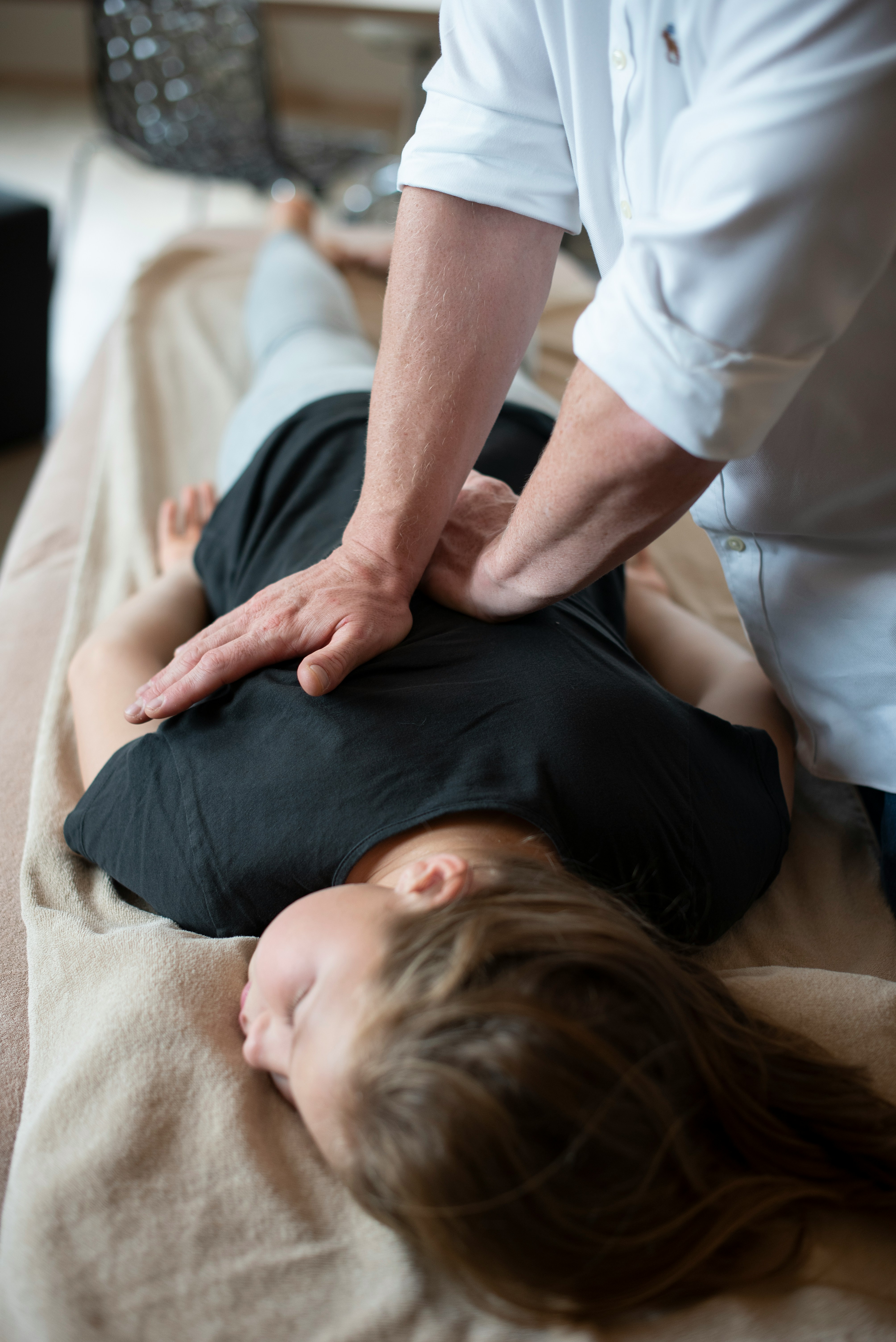
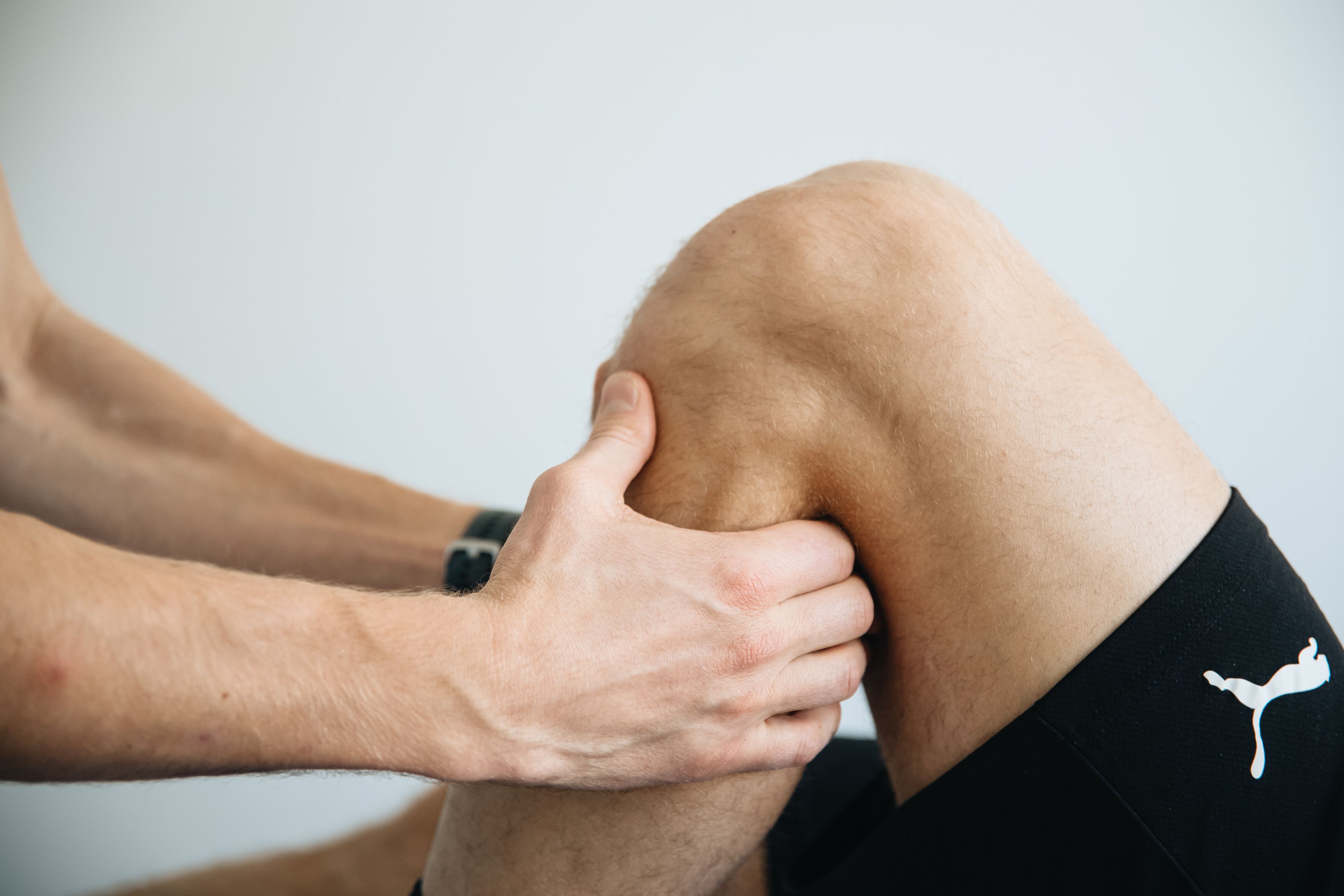
Using targeted manual techniques, restricted movement in the joints and spine – so-called blockages – is diagnosed and treated in order to restore mobility and release muscle tension. This is almost always combined with osteopathy to achieve lasting improvement or freedom from symptoms.
Examples of commonly blocked regions:
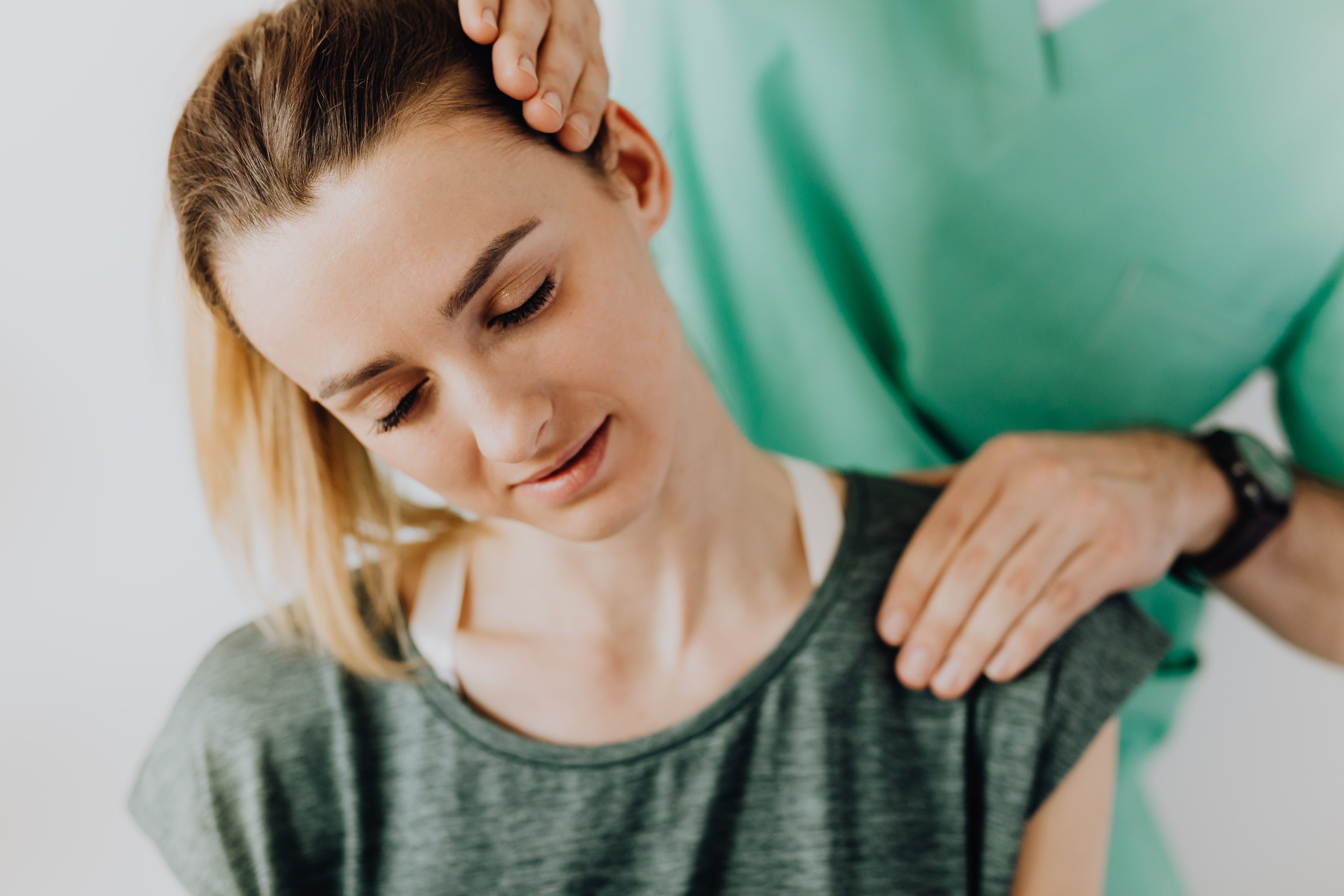
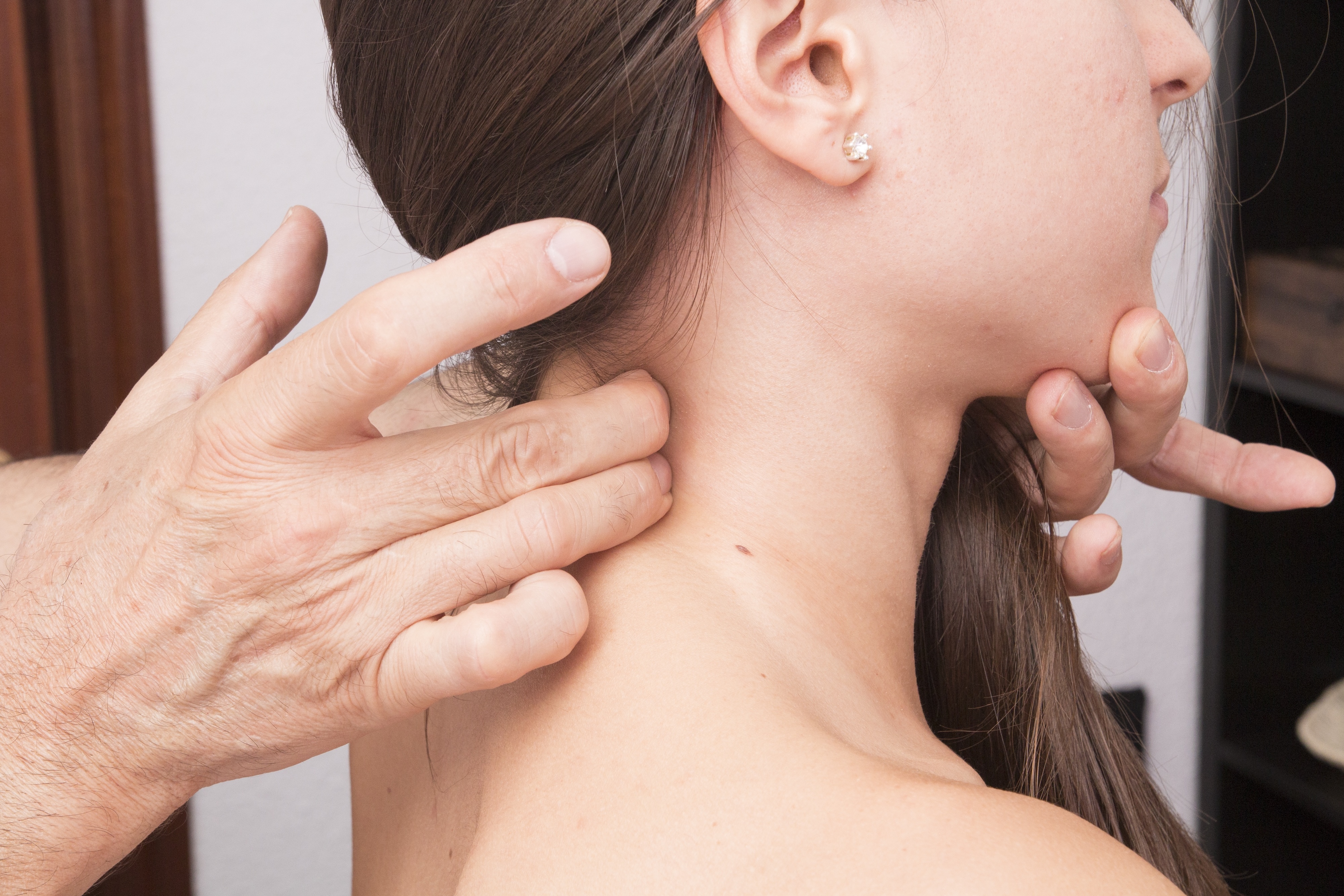
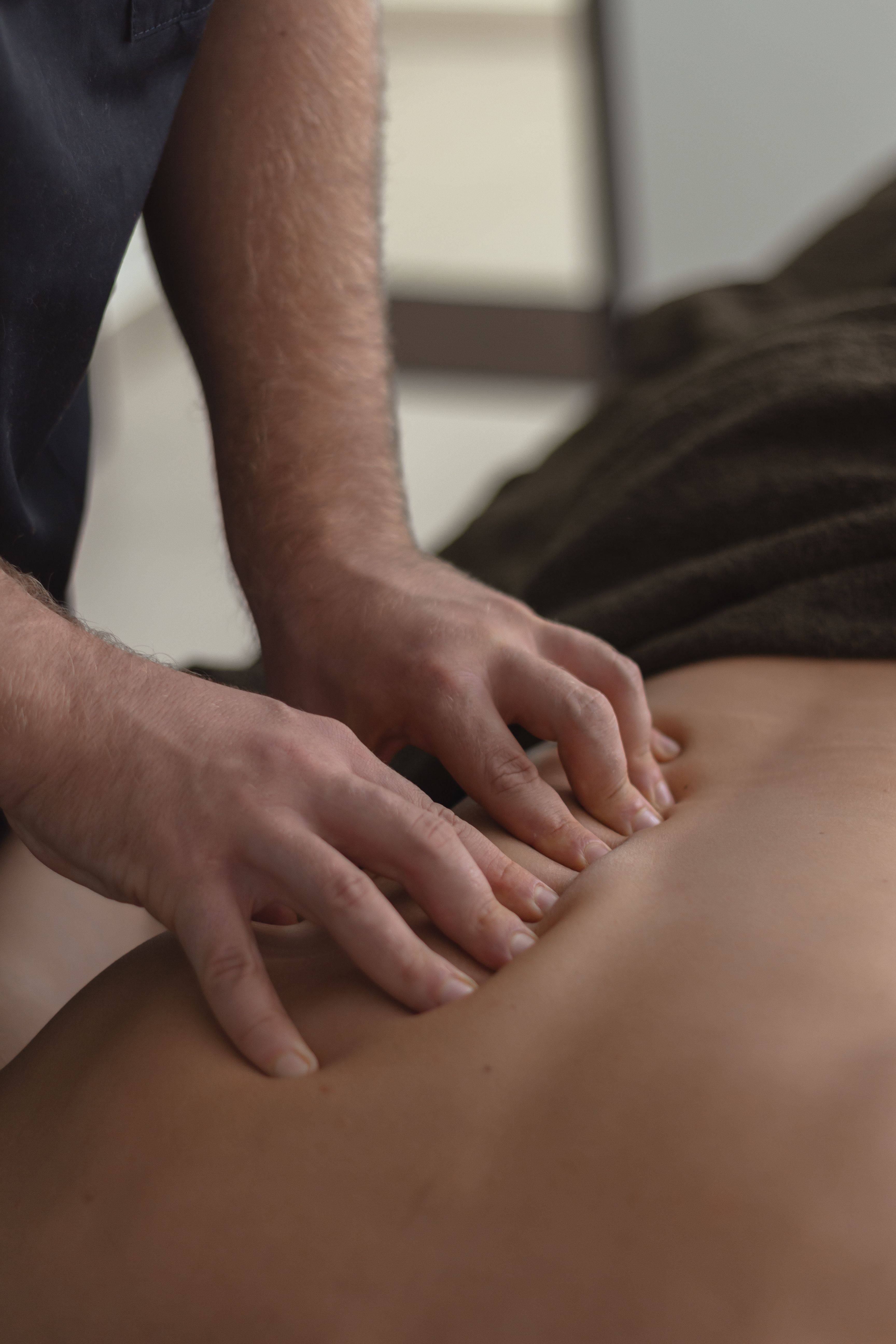
At the heart of this medical philosophy, founded in 1874, are the individual structures of the body – joints, muscles, fascia and internal organs – and how they work together. Dysfunctions can sometimes originate far away from where the symptoms are felt and extend across large parts of the body. Using mostly gentle techniques with no significant side effects, these dysfunctions are released and the body is stimulated to heal itself.
Typical complaints include:
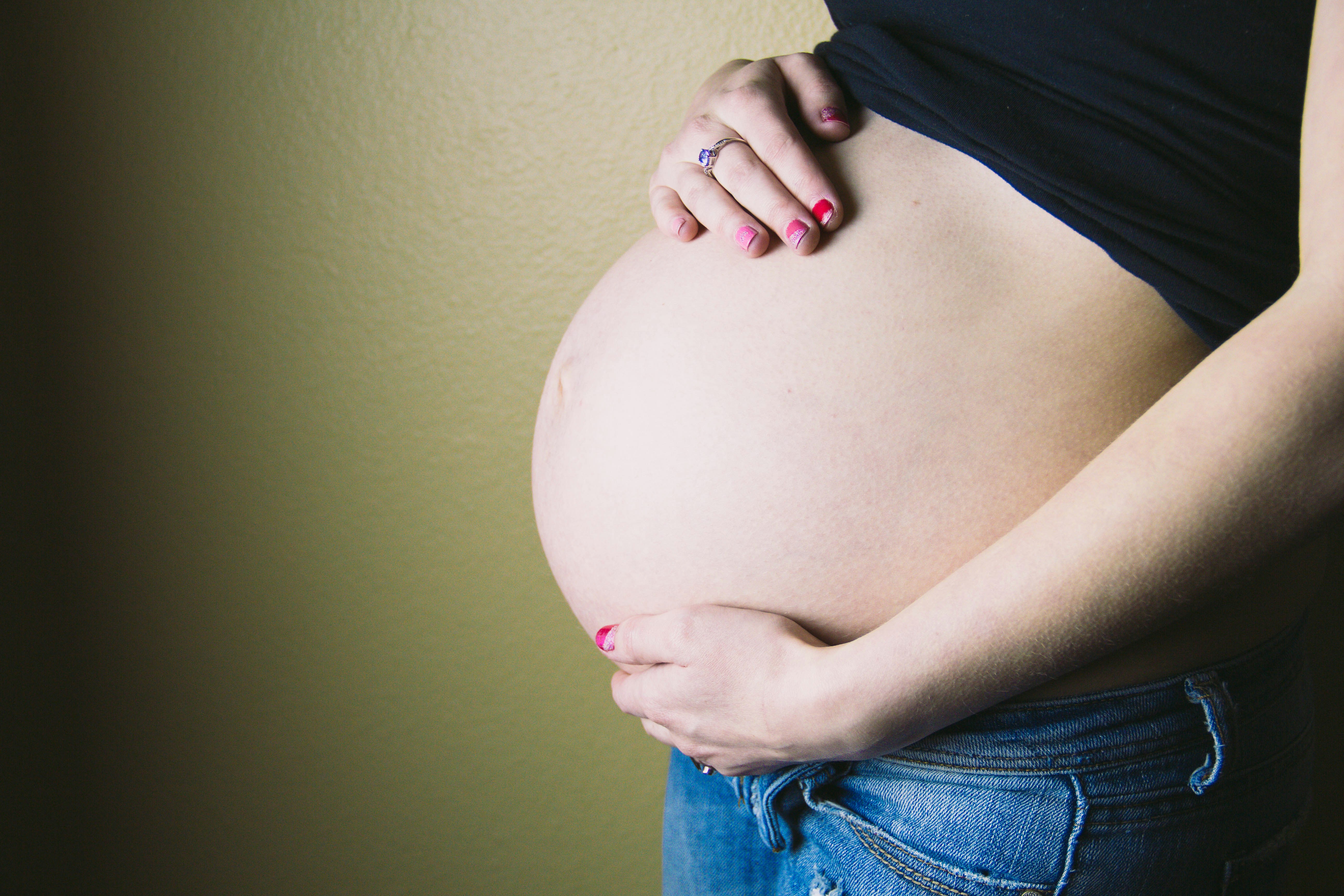
During pregnancy, hormonal changes, softening ligaments and the increasing weight of the baby can cause complaints such as back or joint pain or nausea. Sleep disorders, restless legs and other symptoms can also appear suddenly. Depending on the symptoms, these can be treated well with gentle osteopathic techniques and acupuncture. Acupuncture and osteopathy are considered safe during pregnancy.
While you may often feel left alone with your complaints, we want to help bring you relief – so that you don’t experience this time as an ordeal, but can look forward to the birth of your child.
Examples:
Treatments right where the problem is, partly under image guidance for high precision.
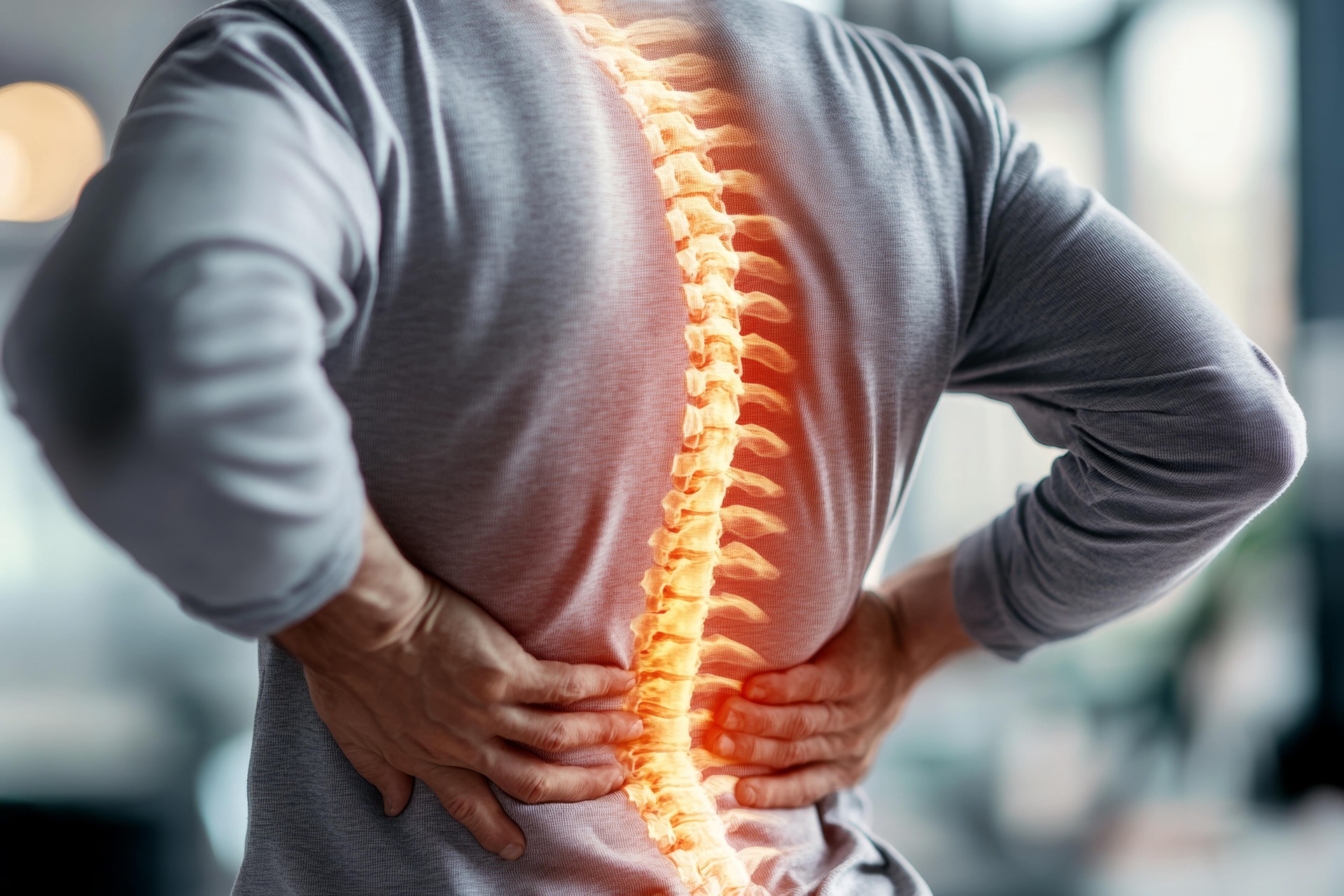
In cooperation with a radiology practice, a local anaesthetic with cortisone is delivered precisely to the irritated nerve root under CT guidance in order to reduce pain and inflammation in a targeted way. Pain radiating into the arm or leg can often disappear as a result. In our experience, herniated discs can in some cases even shrink or resolve. However, this depends on the individual case.
Examples:
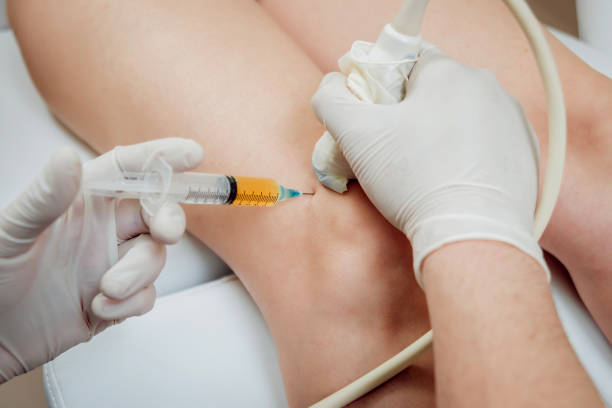
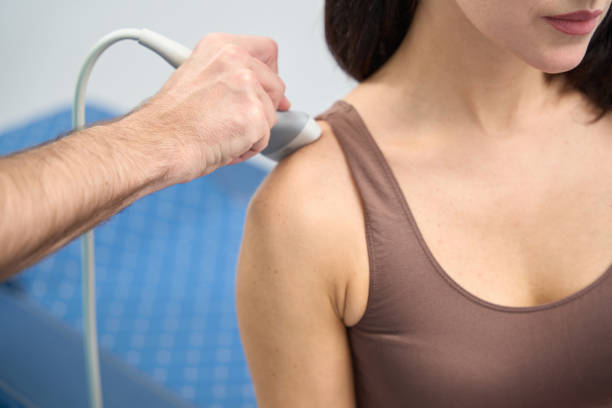
Ultrasound guides the needle in real time precisely to the joint, facet joint or soft-tissue structure. This increases accuracy and safety compared with an injection performed without imaging. This includes joint injections, facet joint infiltrations and soft-tissue injections, for example at the Achilles tendon or in tennis elbow.
Examples:
Would you like to know which treatment is right for your complaints?